
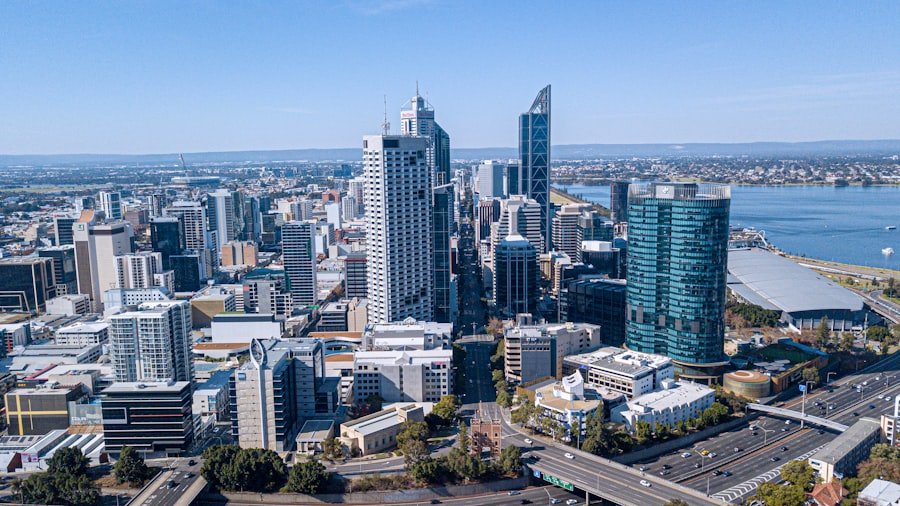
The Perth real estate market has long been a focal point for investors, homeowners, and real estate professionals alike. With its stunning landscapes, vibrant culture, and robust economy, Perth offers a unique blend of opportunities that attract both local and international buyers. The city has experienced significant fluctuations over the years, influenced by various economic factors, demographic shifts, and government policies.
As we delve into the current state of the market, it becomes evident that understanding these dynamics is crucial for anyone looking to navigate the complexities of property ownership or investment in this thriving region. Perth’s real estate landscape is characterized by its diverse offerings, ranging from luxurious waterfront properties to affordable family homes. The city’s geographical advantages, coupled with its rich natural resources and strong job market, have made it an attractive destination for those seeking a high quality of life.
As we explore the current trends and future forecasts, it is essential to recognize the underlying factors that shape this dynamic market and how they can impact potential buyers and sellers.
Key Takeaways
- Perth’s real estate market is experiencing dynamic changes influenced by economic and demographic factors.
- Current trends indicate a forecasted growth supported by government policies and urban development.
- Investors and homebuyers have emerging opportunities despite challenges such as market risks and regulatory impacts.
- Expert analyses emphasize strategic approaches to navigate the evolving market landscape successfully.
- Future investment recommendations focus on leveraging growth areas while mitigating potential risks.
Current Trends and Analysis
In recent years, the Perth real estate market has shown signs of recovery following a period of stagnation. The demand for residential properties has surged, driven by low interest rates and a growing population. This resurgence has led to increased competition among buyers, resulting in rising property prices across various suburbs.
Notably, areas that were once considered undervalued are now experiencing significant appreciation, making them hot spots for investment. Moreover, the rental market has also seen a notable shift. With vacancy rates declining and rental prices on the rise, landlords are finding themselves in a favorable position.
This trend is particularly evident in inner-city suburbs where demand for rental properties remains high due to their proximity to amenities and employment hubs. As we analyze these trends, it becomes clear that both buyers and sellers must stay informed about the evolving landscape to make strategic decisions that align with their financial goals.
Factors Influencing the Market Forecast

Several key factors are influencing the forecast for the Perth real estate market. One of the most significant is the ongoing economic recovery following the challenges posed by the COVID-19 pandemic. As businesses reopen and consumer confidence returns, we are witnessing an uptick in economic activity that bodes well for the property market.
Additionally, Western Australia’s strong resource sector continues to attract investment and create jobs, further fueling demand for housing. Another critical factor is demographic changes within the region. Perth’s population is steadily increasing, driven by both interstate migration and international arrivals.
This influx of residents not only boosts demand for housing but also contributes to a more diverse community that enriches the local culture. As we look ahead, it is essential to consider how these demographic shifts will shape the market and influence buyer preferences in the coming years.
Economic and Demographic Influences
The economic landscape of Perth plays a pivotal role in shaping its real estate market. The city benefits from a robust economy supported by key industries such as mining, agriculture, and technology. This economic diversity provides stability and resilience, making Perth an attractive destination for both investors and homebuyers.
As job opportunities continue to grow, so does the demand for housing, creating a positive feedback loop that drives property values upward. Demographically, Perth is experiencing a transformation as younger generations enter the housing market. Millennials and Gen Z are increasingly seeking homeownership opportunities, often prioritizing sustainability and modern amenities.
This shift in buyer preferences is prompting developers to adapt their offerings to meet the demands of this new wave of homeowners. Understanding these economic and demographic influences is crucial for anyone looking to invest in or sell property in Perth.
Forecasted Growth and Development
| Metric | 2023 | 2024 Forecast | 2025 Forecast | Notes |
|---|---|---|---|---|
| Median House Price | 650,000 | 670,000 | 690,000 | Steady growth expected due to demand and limited supply |
| Median Unit Price | 450,000 | 460,000 | 470,000 | Moderate increase as apartment developments continue |
| Annual Price Growth | 3.0% | 3.1% | 3.0% | Consistent growth aligned with economic factors |
| Rental Yield | 4.5% | 4.4% | 4.3% | Rental market remains stable with slight yield compression |
| Vacancy Rate | 2.8% | 2.5% | 2.3% | Lower vacancy expected as population grows |
| Number of Sales | 15,000 | 15,500 | 16,000 | Sales volume projected to increase moderately |
Looking ahead, the forecast for growth and development in Perth’s real estate market appears promising. Urban planning initiatives aimed at enhancing infrastructure and public transport are set to improve connectivity across the city, making previously less accessible areas more desirable for buyers. Additionally, ongoing developments in commercial and residential projects are expected to create new opportunities for investment.
The government’s commitment to sustainable development further supports this growth trajectory. Initiatives focused on green building practices and energy-efficient designs are becoming increasingly popular among developers and buyers alike. As Perth continues to evolve into a modern metropolis, those who invest in properties aligned with these trends are likely to see substantial returns in the future.
Impact of Government Policies and Regulations
Government policies and regulations play a crucial role in shaping the real estate landscape in Perth. The Residential Tenancy Act 1987 provides a framework that protects both landlords and tenants, ensuring fair practices within the rental market. This legislation not only safeguards tenant rights but also instills confidence in property owners, knowing that their investments are protected by law.
Furthermore, recent initiatives aimed at stimulating housing construction have been introduced to address supply shortages in the market. These policies encourage developers to build more affordable housing options, which can help alleviate pressure on rental prices and improve accessibility for first-time buyers. As we navigate these regulatory changes, it is essential for property owners and investors to stay informed about how these policies may impact their investments.
Opportunities for Investors and Homebuyers
The current state of the Perth real estate market presents numerous opportunities for both investors and homebuyers. For investors, the combination of low interest rates and rising rental demand creates an ideal environment for generating passive income through rental properties. Additionally, with many suburbs experiencing significant price growth, there is potential for capital appreciation that can yield substantial returns over time.
For homebuyers, now is an opportune time to enter the market before prices escalate further. With various government incentives available for first-time buyers, such as grants and stamp duty concessions, aspiring homeowners can take advantage of favorable conditions to secure their dream property. As we explore these opportunities, it is essential to approach the market with a strategic mindset to maximize potential gains.
Challenges and Risks in the Market
While there are many opportunities within the Perth real estate market, it is essential to acknowledge the challenges and risks that may arise. One significant concern is the potential for rising interest rates in response to inflationary pressures. An increase in borrowing costs could dampen buyer enthusiasm and slow down property sales, impacting overall market performance.
Additionally, fluctuations in the global economy can have ripple effects on local markets. For instance, changes in commodity prices can influence Western Australia’s resource-driven economy, which may subsequently affect housing demand. Investors must remain vigilant about these external factors while also considering their risk tolerance when making investment decisions.
Expert Opinions and Predictions
Industry experts have varying opinions on the future trajectory of the Perth real estate market.
However, some caution against potential headwinds such as rising interest rates or changes in government policy that could impact buyer sentiment.
Real estate professionals emphasize the importance of conducting thorough research before making any investment decisions. Understanding local market dynamics, including supply-demand imbalances and emerging trends, can provide valuable insights that inform strategic choices. Engaging with experienced agents who possess deep knowledge of the Perth market can also enhance decision-making processes.
Strategies for Success in the Perth Real Estate Market
To succeed in the competitive Perth real estate market, both buyers and investors should adopt strategic approaches tailored to their goals. For buyers, conducting comprehensive research on neighborhoods and property types can help identify areas with strong growth potential. Additionally, being prepared with financing options can give buyers an edge when competing against multiple offers.
Diversifying investment portfolios across different property types or locations can mitigate risks associated with market fluctuations. Furthermore, partnering with reputable property management firms can ensure that investments are well-maintained and optimized for maximum returns.
Conclusion and Recommendations for Future Investment
In conclusion, the Perth real estate market presents a wealth of opportunities for both investors and homebuyers alike. With its strong economic fundamentals, favorable demographic trends, and ongoing development initiatives, now is an ideal time to engage with this dynamic market. However, it is crucial to remain aware of potential challenges and risks while adopting informed strategies for success.
As you consider your next steps in property ownership or investment in Perth, we recommend seeking guidance from experienced professionals who understand the intricacies of this evolving landscape. By leveraging expert insights and staying informed about market trends, you can position yourself for success in one of Australia’s most promising real estate markets. Whether you are looking to buy your first home or expand your investment portfolio, taking a proactive approach will ensure you make sound decisions that align with your financial goals for years to come.
As the Perth real estate market continues to evolve, it’s essential to stay informed about the latest trends and forecasts. For a deeper understanding of the factors influencing the market, you might find this article on the entertainment sector’s impact on local economies particularly insightful. Check it out here: Entertainment and Its Economic Impact.
FAQs
What is the current state of the Perth real estate market?
The Perth real estate market has experienced fluctuations influenced by factors such as economic conditions, interest rates, and population growth. Recent trends show a gradual recovery with increasing demand and moderate price growth.
What factors influence the Perth real estate market forecast?
Key factors include local economic performance, employment rates, interest rates set by the Reserve Bank of Australia, population growth, housing supply, and government policies related to real estate and infrastructure development.
Is it a good time to buy property in Perth?
Whether it is a good time to buy depends on individual circumstances and market conditions. Current forecasts suggest moderate price growth, making it potentially favorable for buyers seeking long-term investment, but it is advisable to consult with real estate professionals.
How are property prices expected to change in Perth?
Forecasts indicate a steady increase in property prices over the next few years, driven by improving economic conditions and demand. However, growth rates may vary across different suburbs and property types.
What types of properties are in demand in Perth?
There is strong demand for residential properties, including houses and apartments, particularly in areas with good amenities, transport links, and employment opportunities. Interest in affordable housing and new developments is also notable.
How do interest rates affect the Perth real estate market?
Interest rates impact borrowing costs for homebuyers and investors. Lower rates generally encourage more buying activity, leading to increased demand and potential price rises, while higher rates can dampen market activity.
What role does population growth play in the Perth real estate market?
Population growth increases demand for housing, which can drive up property prices and rental rates. Perth’s population trends, including migration and natural growth, are important indicators for market forecasts.
Are there any government initiatives affecting the Perth real estate market?
Government initiatives such as first-home buyer grants, infrastructure projects, and zoning regulations can influence market dynamics by affecting supply and demand.
How reliable are real estate market forecasts?
Market forecasts are based on current data and trends but can be affected by unforeseen economic or political events. They provide guidance but should be considered alongside professional advice and personal circumstances.
Where can I find more information about the Perth real estate market forecast?
Information can be found through real estate agencies, government housing departments, financial institutions, and market research reports from reputable sources specializing in Australian property markets.