
The Perth real estate market has long been a focal point for investors, homeowners, and real estate professionals alike. With its stunning landscapes, vibrant culture, and robust economy, Perth offers a unique blend of opportunities for those looking to buy, sell, or rent property. The city has experienced significant growth over the years, making it an attractive destination for both local and international investors.
As the capital of Western Australia, Perth boasts a diverse range of properties, from luxurious waterfront homes to affordable apartments, catering to various demographics and preferences. In recent years, the market has shown resilience despite global economic fluctuations. Factors such as population growth, infrastructure development, and a strong job market have contributed to the ongoing demand for real estate in the region.
As we delve deeper into the intricacies of the Perth real estate market, it becomes evident that understanding current trends and future projections is essential for making informed decisions. Whether you are a seasoned investor or a first-time homebuyer, having a comprehensive grasp of the market dynamics will empower you to navigate this ever-evolving landscape effectively.
Key Takeaways
- Perth’s real estate market shows dynamic trends influenced by economic factors and varying suburb performances.
- Property prices and sales differ significantly across Perth suburbs, reflecting diverse demand and supply conditions.
- The rental market in Perth is a critical component, impacting overall real estate investment strategies.
- Future market forecasts suggest evolving opportunities and challenges for investors in Perth.
- Successful case studies highlight key strategies and recommendations for maximizing returns in Perth’s real estate sector.
Overview of Real Estate Market Trends in Perth
The real estate market in Perth has undergone a transformation in recent years, characterized by fluctuating prices and varying demand across different sectors. One notable trend is the increasing interest in suburban living, as more people seek larger homes with outdoor spaces. This shift has been accelerated by the COVID-19 pandemic, which prompted many to reassess their living situations and prioritize comfort and space over proximity to urban centers.
Consequently, suburbs that were once considered less desirable have gained traction, leading to a surge in property values in these areas. Another significant trend is the rise of sustainable and eco-friendly properties. As environmental awareness grows among buyers, there is an increasing demand for homes that incorporate energy-efficient features and sustainable materials.
Developers and homeowners alike are recognizing the importance of creating properties that not only meet aesthetic standards but also contribute positively to the environment. This trend is expected to continue shaping the Perth real estate market as more buyers prioritize sustainability in their purchasing decisions.
Analysis of Property Prices in Perth

Property prices in Perth have experienced fluctuations over the past decade, influenced by various economic factors and market dynamics.
However, recent data indicates a resurgence in property values, particularly in sought-after suburbs.
The median house price in Perth has shown signs of recovery, with many areas witnessing significant growth as buyer confidence returns. The luxury market segment has also seen a notable uptick in prices, driven by high-net-worth individuals seeking premium properties. Coastal suburbs such as Cottesloe and City Beach have become hotspots for luxury buyers, resulting in competitive bidding wars and escalating prices.
Conversely, more affordable suburbs continue to attract first-time buyers and investors looking for value opportunities. Understanding these price dynamics is crucial for anyone looking to enter the Perth real estate market, as it allows for strategic decision-making based on current trends.
Comparison of Property Sales in Different Suburbs of Perth
When examining property sales across various suburbs in Perth, it becomes clear that location plays a pivotal role in determining property values and demand. Suburbs such as Subiaco and Leederville have consistently ranked among the top performers due to their proximity to amenities, schools, and public transport. These areas have seen strong competition among buyers, resulting in quicker sales and higher prices compared to more remote suburbs.
On the other hand, suburbs like Armadale and Midland have experienced slower sales due to perceived disadvantages such as distance from the city center or limited access to amenities. However, these areas present unique opportunities for investors willing to take calculated risks. As urban sprawl continues to expand outward from the city center, previously overlooked suburbs may become increasingly attractive as infrastructure improvements and community developments take shape.
Impact of Economic Factors on Perth Real Estate Market
| Year | Median House Price | Median Unit Price | Number of Sales | Average Days on Market | Rental Yield (%) |
|---|---|---|---|---|---|
| 2020 | 480,000 | 350,000 | 12,500 | 45 | 4.2 |
| 2021 | 510,000 | 370,000 | 13,200 | 40 | 4.0 |
| 2022 | 530,000 | 385,000 | 11,800 | 38 | 3.8 |
| 2023 | 550,000 | 400,000 | 12,000 | 35 | 3.7 |
| 2024 | 570,000 | 415,000 | 12,300 | 33 | 3.6 |
Economic factors play a crucial role in shaping the Perth real estate market. The state’s economy is heavily influenced by its mining sector, which has historically driven job creation and population growth. Fluctuations in commodity prices can directly impact employment rates and disposable income levels, subsequently affecting housing demand.
In recent years, Western Australia has diversified its economy beyond mining, with sectors such as technology and healthcare gaining prominence. This diversification has contributed to a more stable economic environment, fostering confidence among buyers and investors. Interest rates also significantly influence the real estate market.
The Reserve Bank of Australia’s monetary policy decisions can lead to changes in borrowing costs for potential homebuyers. Lower interest rates typically stimulate demand for housing as borrowing becomes more affordable. Conversely, rising rates can dampen buyer enthusiasm and slow down sales activity.
Understanding these economic indicators is essential for anyone looking to invest in Perth’s real estate market, as they can provide valuable insights into future trends.
Examination of Rental Market in Perth
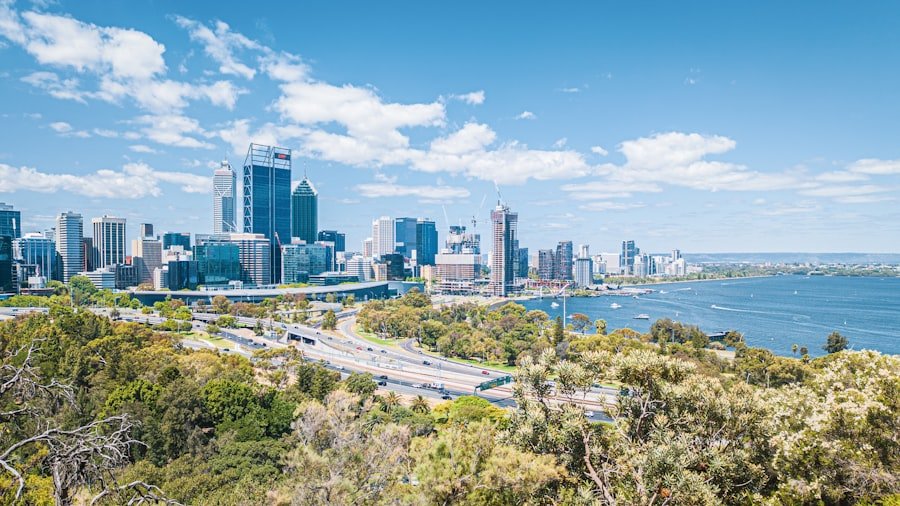
The rental market in Perth has shown resilience amid changing economic conditions and shifting demographics. With an increasing number of people opting to rent rather than buy due to affordability concerns or lifestyle choices, demand for rental properties remains strong. The vacancy rate in Perth has stabilized over recent months, indicating a healthy rental market where landlords can expect consistent occupancy rates.
Rental prices have also seen upward pressure in certain suburbs as demand outstrips supply. Areas close to public transport links and major employment hubs are particularly sought after by tenants, leading to competitive rental prices. Additionally, the rise of remote work has prompted many renters to seek properties with dedicated office spaces or larger living areas, further influencing rental preferences.
For property owners considering entering the rental market or expanding their portfolios, understanding these trends is vital for maximizing returns on investment.
Forecasting Future Trends in Perth Real Estate Market
As we look ahead to the future of the Perth real estate market, several trends are likely to shape its trajectory. One key factor is the ongoing population growth projected for Western Australia over the coming years. As more people move to the region for work or lifestyle reasons, demand for housing will continue to rise.
This influx is expected to drive up property values and create opportunities for both buyers and investors. Additionally, advancements in technology are set to revolutionize how properties are marketed and sold. Virtual tours, drone photography, and online platforms are becoming increasingly popular tools for showcasing properties to potential buyers or renters.
As these technologies evolve, they will enhance the overall buying experience and streamline transactions. Investors who embrace these innovations will likely gain a competitive edge in the market.
Analysis of Demand and Supply in Perth Real Estate Market
The balance between demand and supply is a critical factor influencing property prices and market dynamics in Perth. Currently, there is a noticeable demand for housing driven by population growth and changing lifestyle preferences. However, supply constraints due to limited new developments have created a competitive environment where buyers are vying for available properties.
In response to this imbalance, developers are increasingly focusing on creating diverse housing options that cater to various demographics. From affordable apartments to luxury homes, there is a growing recognition of the need for varied housing types that meet the demands of different buyer segments. This proactive approach aims to alleviate some of the supply pressures while ensuring that all segments of the market are adequately served.
Evaluation of Investment Opportunities in Perth Real Estate
For investors looking at opportunities within the Perth real estate market, there are several avenues worth exploring. Suburban areas that have historically been undervalued may present significant potential for capital growth as urban sprawl continues to expand outward from the city center.
Additionally, investing in properties that cater to the rental market can provide steady cash flow while benefiting from long-term capital appreciation. With rental demand remaining strong across various demographics—particularly among young professionals and families—investors can capitalize on this trend by acquiring properties that meet tenant needs.
Case Studies of Successful Real Estate Transactions in Perth
To illustrate the potential success within the Perth real estate market, consider several case studies highlighting successful transactions that exemplify strategic investment decisions. One notable example involves an investor who purchased a property in an up-and-coming suburb just before significant infrastructure improvements were announced. As new transport links were developed and amenities expanded, property values surged—resulting in substantial capital gains for the investor within just a few years.
Another case study involves a homeowner who opted to renovate an older property before selling it on the open market. By investing in modern upgrades while maintaining some original charm, they were able to attract buyers willing to pay a premium price—ultimately achieving a sale price well above their initial expectations.
Conclusion and Recommendations for Investors in Perth Real Estate Market
In conclusion, the Perth real estate market presents a wealth of opportunities for both buyers and investors alike. With its diverse range of properties, ongoing population growth, and evolving economic landscape, there has never been a better time to engage with this dynamic market. However, success requires careful consideration of current trends and future projections.
For investors looking to capitalize on these opportunities, it is essential to conduct thorough research into specific suburbs and property types that align with their investment goals. Engaging with experienced real estate professionals who possess local knowledge can provide invaluable insights into navigating this complex landscape effectively. By staying informed about market dynamics and embracing innovative strategies—such as leveraging technology or exploring emerging suburbs—investors can position themselves for success within the thriving Perth real estate market.
For those interested in understanding the dynamics of the Perth real estate market, a related article can provide valuable insights. You can explore more about the trends and statistics that shape this market by visiting the following link: Perth Real Estate Market Insights. This article delves into various factors influencing property values and offers a comprehensive graph that illustrates recent changes in the market.
FAQs
What does the Perth real estate market graph represent?
The Perth real estate market graph visually displays trends and changes in property prices, sales volume, and market activity over a specific period in the Perth area.
How often is the Perth real estate market graph updated?
The frequency of updates varies depending on the source, but most graphs are updated monthly or quarterly to reflect the latest market data.
What factors influence the trends shown in the Perth real estate market graph?
Key factors include interest rates, economic conditions, population growth, housing supply and demand, government policies, and local infrastructure developments.
Can the Perth real estate market graph predict future property prices?
While the graph shows historical trends and patterns, it cannot guarantee future prices. It is a useful tool for analysis but should be combined with other market insights for forecasting.
Where can I find reliable Perth real estate market graphs?
Reliable graphs are typically available from real estate agencies, government housing departments, property market research firms, and financial news websites.
What types of properties are usually included in the Perth real estate market graph?
Graphs often include data on residential properties such as houses, apartments, and townhouses, but some may also cover commercial real estate depending on the source.
How can I use the Perth real estate market graph for investment decisions?
Investors can analyze trends in property values, market cycles, and sales activity to identify potential opportunities and risks in the Perth property market.
Does the Perth real estate market graph show rental market trends?
Some graphs include rental price trends and vacancy rates, but many focus primarily on sales data. It depends on the specific graph and data source.
Are seasonal changes reflected in the Perth real estate market graph?
Yes, seasonal fluctuations in buying and selling activity can be visible in the graph, often showing slower market activity during winter months and increased activity in spring and summer.
Is the Perth real estate market graph affected by national economic conditions?
Yes, national economic factors such as interest rate changes, employment rates, and government housing policies can impact the Perth real estate market and are often reflected in the graph trends.